
Reviewed · PROVIDENCIALES TOURS
Fast-Track Kiteboarding Camp: Best for Beginners
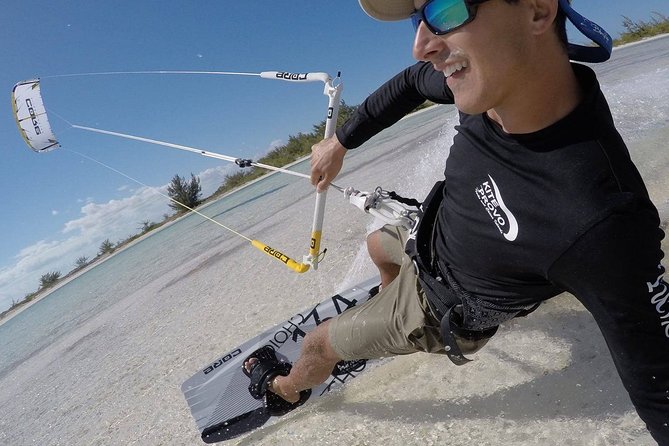
The quickest route from beach lounger to kiteboard begins with a kite in your hands, not a board under your feet. This three-hour beginner camp starts on land, builds control in shallow water, and aims to get you making your first waterstarts before the lesson ends.
I like the small group size, capped at three people, and the careful use of low tide to create standing depth. I also like that equipment, safety instruction, and Jet Ski support are included. The catch is that the $450 price is substantial, and the daily start time cannot be chosen until the school confirms the tide.
Key points at a glance
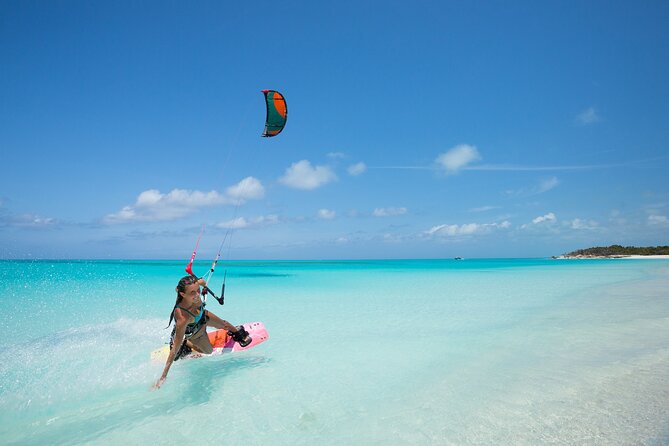
- Your first lesson is built around waterstarts: The goal is to move from basic kite control to your first starts on the board.
- Groups stay very small: Two or three students share an instructor, giving you personal help without the full private-lesson price.
- The tide sets your schedule: You receive the exact meeting time after booking because the lesson needs a low tide.
- Jet Ski support is included: This is useful when you are learning in the water and need help, supervision, or repositioning.
- Mike and Alan receive strong praise: Both instructors are noted for patient pacing, clear explanations, and encouragement.
- You need moderate fitness: Bring sun protection, water, a snack, and inexpensive sunglasses with a strap.
Why this Providenciales lesson works for first-time kiteboarders
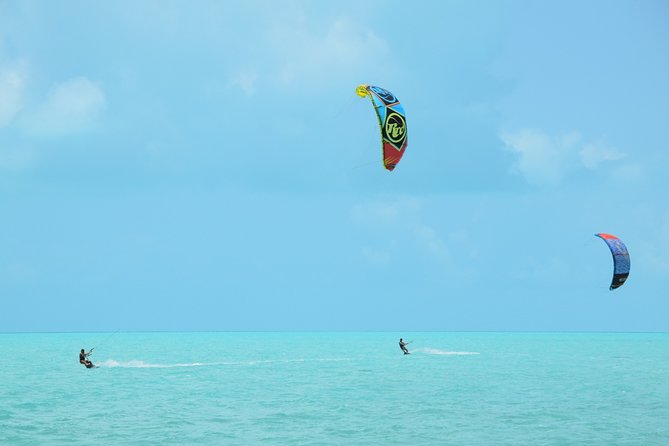
Kiteboarding can look simple from shore. A person holds a bar, a large kite pulls, and a board skims over the water. The reality is more demanding. You need to read the kite, manage its power, understand safety systems, and coordinate your body before you can even think about standing on the board.
This lesson is designed around that learning curve. Instead of putting a beginner straight onto a board, the instructor builds the skill in steps. You first handle the equipment on the beach, then control the kite in the water, then learn how to restart it after it falls. Only after that do you work toward body surfing and waterstarts.
I like this order because it removes much of the panic from a first attempt. You are not trying to steer a kite, balance a board, and manage your body all at once. The teaching aids used on the beach also help explain the gear before you are wet, tired, and distracted by wind.
The aim is not to turn you into an independent kiteboarder in three hours. The realistic aim is a strong first lesson and, if conditions and coordination cooperate, your first exciting starts on the board.
A few more Providenciales half-days worth a look
- 4hour Group Half Day Snorkeling Excursion in Grace Bay
★ 5.0 · 2,614 reviews - 4-Hour Catamaran Sail and Snorkel Tour from Grace Bay
★ 5.0 · 1,465 reviews - Love Buggy Island Tour with Lunch
★ 5.0 · 1,242 reviews
Starting at Swaying Palms in Leeward Settlement
The meeting point is Swaying Palms on Joe Wood Drive in Leeward Settlement. The activity returns to the same place, so you do not need to arrange a separate return transfer.
Hotel pickup and drop-off are not included. You will need to make your own way to the meeting point, and the location is near public transportation. Since the exact lesson time changes daily, leave some flexibility in your plans rather than booking a tight connection with another activity.
The school operates Monday through Saturday from 8:00 AM to 6:00 PM. That broad window does not mean you can select any hour you like. The lesson must match the tide, and you receive the precise time after booking. This is one of the most important practical details to understand before paying.
If you want to fit the camp into a short Providenciales stay, book early. It is usually reserved about 17 days ahead, and popular dates can fill before you arrive.
Why low tide matters more than a convenient start time
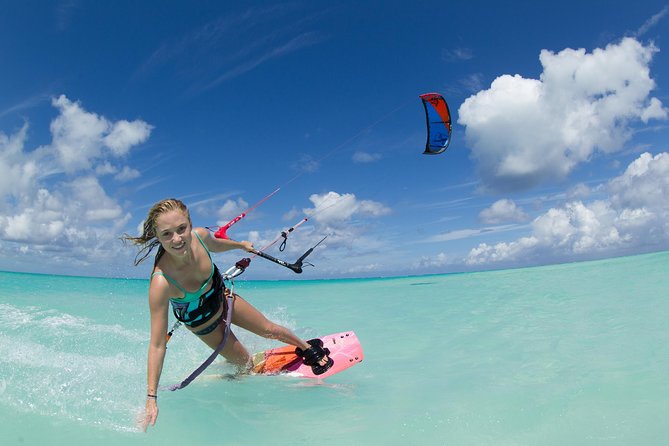
The lesson needs low tide so you can stand and walk in the water. That makes a major difference for a beginner. Shallow water gives you a place to regain your footing, handle the kite, and work through mistakes without having to swim immediately.
The tide also explains why the start time moves from day to day. You may prefer a morning lesson, but the best teaching window could fall later. For this activity, the tide is not a minor scheduling detail. It is part of the instruction.
I would treat the assigned time as fixed once the school sends it. Plan your meals, transportation, and beach time around that window. If you are traveling with children or friends who are not taking the lesson, make sure they know the group may start at an unusual hour.
Weather matters, too. The lesson requires suitable conditions. If poor weather forces cancellation, you can receive a different date or a full refund.
The beach lesson: gear, setup, and safety
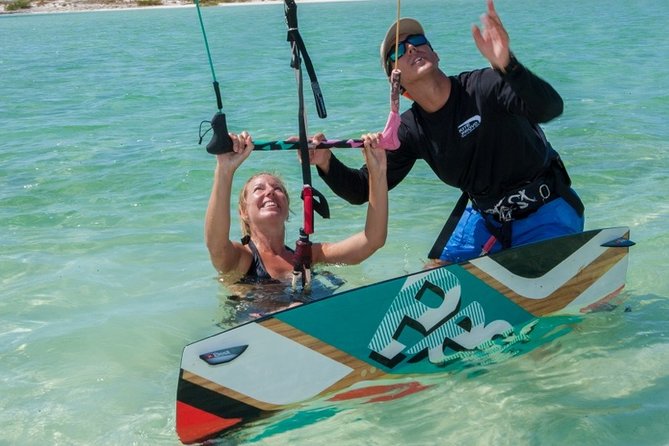
Your instructor begins on the beach with teaching aids. This stage helps you learn the basic parts of the kiteboarding system and cuts down on wasted time in the water.
You learn how to set up the gear, including the kite and control equipment. You also receive instruction in the safety systems. That part may not sound as thrilling as getting pulled across the water, but it is essential. A beginner needs to know how to reduce power and respond if something goes wrong.
The instructors are trained in communication, which matters here. Kiteboarding uses unfamiliar terms and quick physical reactions. Clear instructions can make the difference between a useful correction and a confusing one.
Mike is praised for working at a good pace while helping a student turn kite control into a real skill. Alan is described as thorough, patient, and encouraging. Those qualities are especially useful in a first lesson, when progress can come in small bursts rather than a smooth climb.
The semi-private format gives you a useful compromise. With two or three students, you share the instructor, but the group remains small enough for individual corrections. The tradeoff is that you will not receive nonstop one-on-one coaching. Your practice time may include watching another student try a skill, but that can also help you see the movement before attempting it yourself.
Same water, a completely different kind of day:
- Morning Half Day Cruise from Providenciales with Snorkeling and Iguana Island
★ 4.5 · 1,222 reviews - 2 Hour Champagne Sunset Cruise from Grace Bay, Providenciales (Adult Only)
★ 5.0 · 1,010 reviews - Mangrove Clear Kayak Tour
★ 5.0 · 794 reviews - Mangrove & Iguana Clear Kayak Tour
★ 5.0 · 507 reviews
Moving into the water and learning kite control
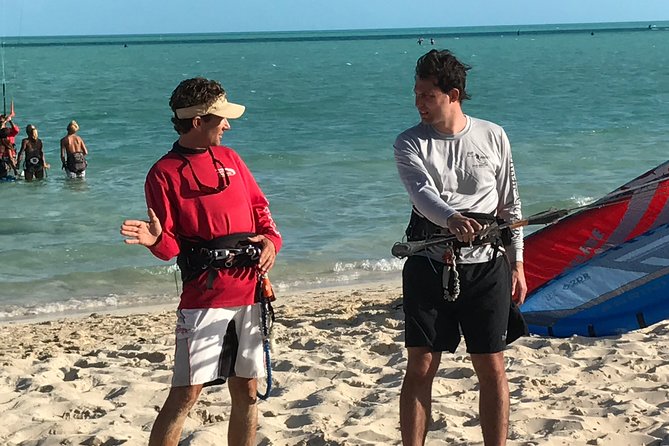
Once you understand the setup and safety basics, the lesson moves into the water. Here you work on controlling the kite while managing its power.
This is where the experience starts to feel less like a beach demonstration and more like a real sport. The kite can generate a surprising amount of force, so you must learn how small control movements affect the pull. The instructor helps you find the right amount of power rather than simply sending you across the water at full speed.
You also learn how to relaunch the kite. A fallen kite is part of normal beginner practice, not necessarily a sign that something has gone badly. Learning to bring it back into the air gives you a practical skill you will need if you continue with the sport.
The lesson includes body surfing, which provides another bridge between kite control and board work. You learn to work with the pull of the kite while your body is in the water. This helps you feel how the power moves you before you add the extra challenge of standing on a board.
Jet Ski support is included. That support is especially helpful during water practice because you can be assisted or repositioned without relying on a long swim back. It also gives the instructor another way to manage the lesson area while students are learning.
The final challenge: your first waterstarts
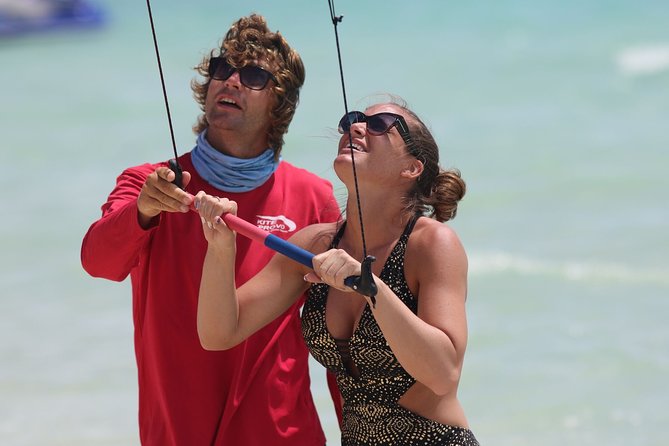
The waterstart is the moment the session has been building toward. You use the kite to generate controlled power while bringing the board into position and trying to rise from the water.
For most first-timers, this is the hardest part. You are coordinating the kite, your body, the board, and the timing of the pull. You may stand briefly, move a short distance, or spend several attempts getting the sequence right. The lesson is structured to give you that first taste, not to promise a polished ride.
The most useful mindset is to judge the lesson by what you learn, not by how far you travel. If you leave knowing how to set up the gear, control the kite, use the safety systems, relaunch it, and understand the waterstart sequence, you have made solid progress.
The strong feedback for this camp focuses on that progression. One family of three, including children aged 12 and 15, took the lesson together and enjoyed learning as a group. Another student spent time flying the kite on sand, then in the water, before adding the board. That step-by-step structure is a good fit for families and friends who want a shared challenge.
What the $450 price really buys you
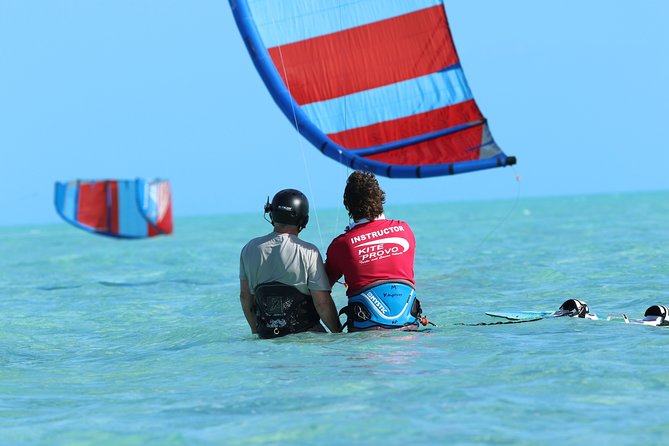
The cost is $450 per person, with applicable government taxes included. That is a serious price for roughly three hours, especially if you compare it with a simple beach activity.
The value comes from the equipment and instruction. You do not need to buy or rent a kite, board, control bar, or related gear separately. The price also includes safety instruction, water coaching, a small group of no more than three, and Jet Ski support.
A semi-private lesson usually gives you a better balance than either a large class or a full private session. You get personal guidance, but the cost is shared with one or two other students. If you are completely new to kiteboarding, that direct correction can save time and reduce frustration.
The value is strongest if you want to continue kiteboarding after this session. A first lesson that teaches proper kite control and safety is more useful than a short ride that skips the basics. If you only want a quick thrill and have no interest in learning the sport, the price may feel harder to justify.
Food and drinks are not included. Bring water and a high-energy snack, such as a power bar, dried fruit, or nuts. The sun and physical effort can catch up with you, especially if you are already spending the day outdoors.
Who should book this camp
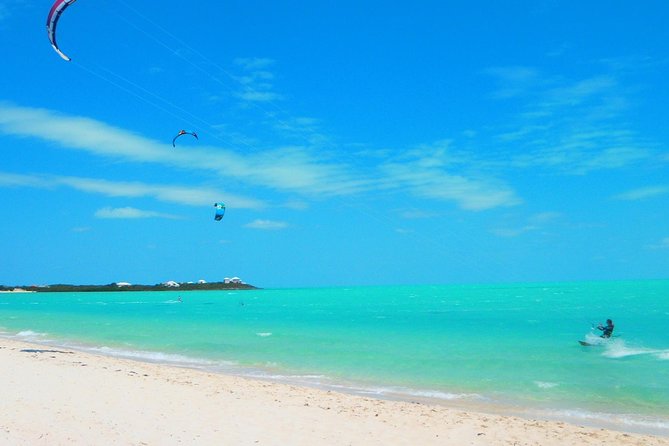
This is aimed at true beginners, including people with no kiteboarding experience. The minimum age is 10, and the minimum weight is 80 pounds.
You should have a moderate level of physical fitness. The lesson includes time in the water, repeated attempts, handling equipment, body surfing, and getting on and off the board. It is not a passive sightseeing activity.
I would recommend it for:
- First-time kiteboarders who want a proper introduction
- Couples or friends who can share a small lesson
- Families with children aged 10 or older who meet the weight requirement
- Active beachgoers looking for a challenge beyond swimming and sunbathing
- Anyone considering more kiteboarding lessons later
It may be less suitable if you need a guaranteed morning appointment, dislike changing plans around tides, or want a relaxed activity with little physical effort.
What to bring for a better lesson
Bring sunscreen and water. You will be outside and active, and staying hydrated matters more than it does during a quiet afternoon at the beach.
Inexpensive sunglasses with a strap are recommended. Do not bring an expensive pair. Sunglasses can be useful in bright conditions, but water sports are hard on anything you cannot secure.
Water shoes or neoprene booties are optional and usually not needed. You can bring them if you are concerned about your feet, but they are not required equipment.
A snack is a smart addition. The lesson lasts about three hours, and repeated practice can make you hungry. High-energy foods such as nuts, dried fruit, or a power bar are easy to carry and eat.
Service animals are allowed. The experience is near public transportation, but you remain responsible for getting to and from Swaying Palms.
Booking, weather, and cancellation details
Confirmation is provided when you book. The school then messages you with the exact time based on the daily tide.
You can cancel for a full refund up to 24 hours before the local start time. Cancellations or changes made inside that 24-hour window are not accepted for a refund.
Because weather affects the activity, a cancellation caused by poor conditions gives you the choice of another date or a full refund. I would avoid placing this lesson on the final hours of your vacation if possible. A little schedule space gives you more options if weather changes the plan.
The experience is available Monday through Saturday, with operating hours listed from 8:00 AM to 6:00 PM. The activity ends back at the meeting point.
Should you book the Fast-Track Kiteboarding Camp?
Book it if you want a serious first step into kiteboarding rather than a quick ride with minimal instruction. The small group, full equipment, safety training, changing-tide schedule, and Jet Ski support make the format well suited to beginners who want personal coaching.
The strongest reason to choose this camp is the teaching progression. You start with setup and kite control, then move through safety work, water practice, body surfing, and finally the board. The instructors praised most highly, Mike and Alan, are associated with the qualities you need in a first lesson: patience, clear pacing, encouragement, and careful explanation.
Skip it if $450 is beyond your activity budget, if you need a fixed appointment time, or if you are looking for something easy and restful. For everyone else, especially active families and friends, this is a demanding but rewarding way to trade a few hours of beach lounging for a real new skill.
FAQ
How long is the kiteboarding camp?
The lesson lasts approximately three hours.
How much does the experience cost?
The price is $450 per person. Applicable government taxes are included.
What is the maximum group size?
The activity has a maximum of three participants. It is a semi-private lesson for two or three people.
What age must participants be?
The minimum age is 10 years old.
Is there a minimum weight?
Yes. Participants must weigh at least 80 pounds.
What time does the lesson start?
The exact time changes each day because the lesson must take place during low tide. You receive your specific time after booking.
Where does the activity begin and end?
The meeting point is Swaying Palms on Joe Wood Drive in Leeward Settlement, Providenciales. The activity ends back at the same meeting point.
Is equipment included?
Yes. The equipment needed for the lesson is included.
Is hotel pickup included?
No. Hotel pickup and drop-off are not included.
What happens if bad weather cancels the lesson?
You can choose another date or receive a full refund if poor weather causes the activity to be canceled.
Just added around Providenciales
- Jet Ski Fest in Turks and Caicos Islands★ 5.0 · 4 reviews
- Shared Horseback Riding in Turks and Caicos★ 4.5 · 7 reviews
- Wow Extreme Tube on Gracebay Beach Turks and Caicos Islands★ 4.5 · 7 reviews
- Relaxation and Therapy Massage in Paradise Turks and Caicos★ 5.0 · 11 reviews
- 2-Hour Luxury Axopar Private Charter! Explore the Turks in style!★ 5.0 · 5 reviews
- Turks and Caicos: Private ONE-WAY Airport Transfer★ 4.0 · 10 reviews
- Private Luxury Transfer to/from Airport Turks and Caicos★ 5.0 · 3 reviews
- Tubing Watersport Adventure Ride Grace Bay Turks and Caicos★ 4.5 · 7 reviews
Providenciales Tours, compared.
4hour Group Half Day Snorkeling Excursion in Grace Bay
Read our review →
4-Hour Catamaran Sail and Snorkel Tour from Grace Bay
Read our review →
Morning Half Day Cruise from Providenciales with Snorkeling and Iguana Island
Read our review →
2 Hour Champagne Sunset Cruise from Grace Bay, Providenciales (Adult Only)
Read our review →
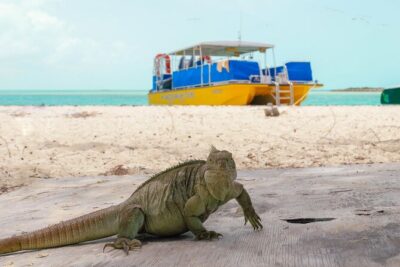
Afternoon Half Day Cruise from Providenciales with Snorkeling and Iguana Island
Read our review →Browse the lists this tour appears in